The first time I had to choose between offset and digital printing, I thought it was just a pricing decision. It wasn’t. It ended up affecting quality, timelines, storage, and how stressed I was for weeks after placing the order.
I picked wrong the first time.
The Core Difference (Without the Technical Headache)
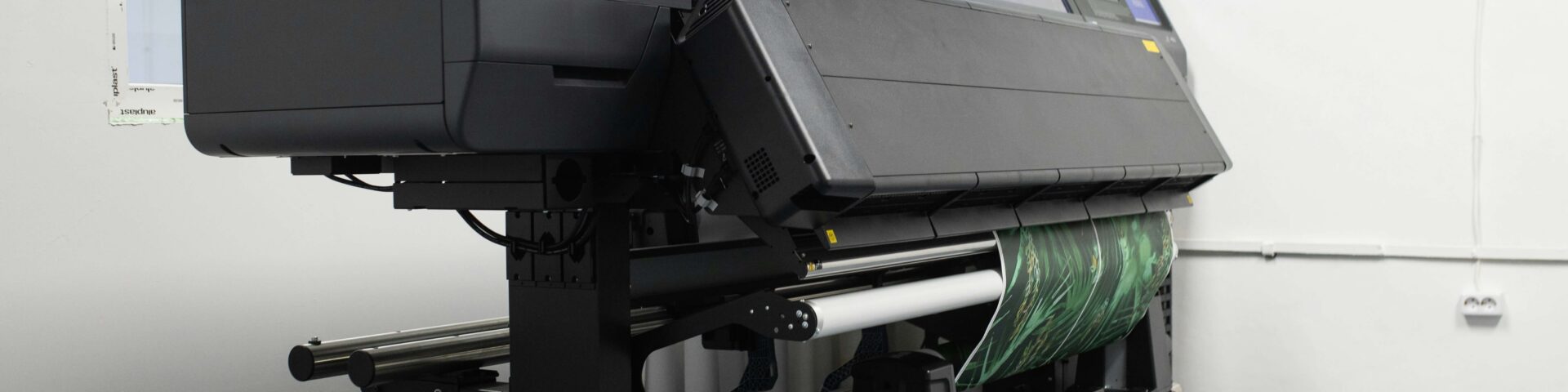
Offset printing uses plates and is built for volume. Digital printing works more like a high-end printer and is better for smaller runs.
That’s the simple version.
What actually matters is how those differences play out in real decisions — how many copies you need, how confident you are in selling them, and how much risk you’re willing to take.
Offset Printing: Cheap Per Book, Expensive Mistakes
Offset looks very attractive when you see the cost per unit drop as quantity goes up. The more you print, the cheaper each book becomes. That’s the hook.
But here’s the catch: you have to commit upfront.
I once printed a few thousand copies using offset because the numbers made sense on paper. Lower unit cost, better margins, everything looked great. Then a small layout issue slipped through — nothing major, but noticeable. Not bad enough to throw everything away, but bad enough that it bothered me every time I saw it. And there I was, sitting on boxes of books I couldn’t easily fix.
That’s the part people don’t talk about. Offset locks you in.
Digital Printing: Flexible but Not Always Cheap
Digital printing feels safer because it is.
You can print in small batches, even one copy at a time. That means less risk, less storage, and more room to adjust if something goes wrong. If you find a typo or want to tweak the cover, you can fix it and move forward without wasting inventory.
The downside is the higher cost per book. If you’re printing large volumes, digital can eat into your margins quickly.
Still, for most first-time authors, I lean heavily toward digital. The flexibility is worth it.
Quality Differences: Real or Overblown?
People love to argue about this.
Offset generally produces slightly better and more consistent quality, especially for color-heavy books. The ink sits differently on the paper, and you get a certain sharpness that digital sometimes struggles to match.
But here’s my honest take: for most standard books — especially black and white text — the difference is smaller than people expect.
I’m not 100% sure everyone would agree, but most readers won’t notice unless they’re comparing copies side by side. If your project is image-heavy or very design-focused, then yes, offset has an edge. Otherwise, digital is usually good enough.
When Offset Actually Makes Sense
Offset works best when you’re confident in demand.
If you already have an audience, pre-orders, or distribution lined up, then printing in bulk can save you a lot of money in the long run. The key word here is confident, not hopeful.
You also need to be sure your files are final. No last-minute changes, no second-guessing. Once it’s printed, that’s it.
And you need space. Boxes of books take up more room than you think.
When Digital Is the Better Choice
If this is your first book, digital is the safer option. No question.
You can test the market, adjust pricing, fix mistakes, and reorder as needed. You’re not stuck with inventory, and you’re not gambling a large amount of money upfront.
This might not work for everyone, especially if you’re aiming for large-scale distribution right away, but for most people starting out, it’s the more practical route.
Hidden Costs People Ignore
This is where decisions get messy.
With offset, you have shipping, storage, and sometimes customs if you’re printing overseas. Those costs don’t always show up in the initial quote, but they matter. I’ve had cases where shipping alone changed the entire cost structure.
With digital, the hidden cost is usually margin. You might be making less per book, especially if you’re using print-on-demand platforms that take a cut.
Neither option is “cheap” once you look at the full picture.
The Mistake That Changed How I Decide
There was one project where I went with offset purely for the unit cost. Everything looked efficient — lower cost per book, better profit margins, cleaner numbers overall. But I underestimated how long it would take to actually sell through the inventory.
Months passed, and those boxes just sat there.
At some point, it stopped feeling like an asset and started feeling like a weight. Money tied up, space taken, constant reminder that I moved too fast. If I had gone digital, I would have made less per book, sure, but I would have kept my cash flow and flexibility.
That experience changed how I look at printing decisions completely.
Practical Way to Decide
If you’re unsure, ask yourself a few simple questions.
How many copies can you realistically sell in the next three to six months? Not best-case scenario — realistic.
Do you have space to store books?
Are you completely confident in your final files?
If you hesitate on any of those, digital is probably the better choice.
My Recommendation
If you’re new or unsure, go digital first.
Test your book, get feedback, make adjustments, and see how it performs. Once you have real data and confidence in demand, then consider offset for larger runs.
Offset isn’t bad. It’s just less forgiving.
And early on, forgiveness matters more than savings.